Introduction
The Wellness Institute Trust (WIT) is proud to announce the Beauty is Liver Deep (BILD) public health campaign that will be officially launched on the 2nd of May 2024 to run through the entire year. This campaign aims to redefine community engagement by using barbershops, salons and beauty spaces as an entry point to discuss health matters specifically around Hepatitis B and how it affects our livers and general health.
The campaign will involve going to select barbershops, salons and beauty spaces within Nairobi to train staff to become community health ambassadors and initiate conversation with the general public about Hepatitis B in a bid to increase awareness, screening and treatment.
This campaign is on in collaboration with the Gilead Sciences, Health Equity Transformation through Innovation Foundation (HETIF), Phillips Therapeutics Limited, and the Nairobi City County Government.
Hepatitis B
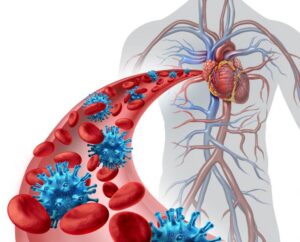
Hepatitis B is an infection of the liver caused by the Hepatitis B Virus (HBV). Infection from this virus can be short and severe (acute) or long term (chronic). Chronic infections are known to cause chronic liver diseases such as cirrhosis and hepatoma. Additionally, HBV causes 50% of all cases of Hepatocellular Carcinoma (HCC).
Figure 2:Wellness Institute Trust CEO & Founder Prof. Omu Anzala explaining Hepatitis B Virus to medical students, stakeholders, and partners.
As of 2022, World Health Organization (WHO) estimates that 254 million people are living with chronic Hepatitis B infection and 1.2 million people are infected every year. Kenya has one of the highest rates of HBV infection in Africa with about 9% of the population living with the virus. Additionally, approximately 2% of blood donors are positive for the Hepatitis B antigen.
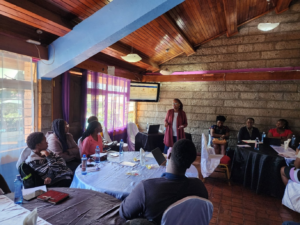
Figure 3: Hepatitis B Prevalence Percentage by NASCOP (National AIDS & STI Control Program) Regions, KENPHIA 2018 Survey
How is it transmitted?
- Blood
- Unscreened blood transfusions,
- Sharing toothbrushes, needles, razors, tattooing and acupuncture needles
- Renal dialysis
- Organ transplant
- Close Contact
- Household members, institutions etc
- Vertical Transmission: (mother to baby)
- During delivery and rarely transplacental
- There has been no evidence of transmission through breastfeeding
- Sexual Contact
- This is the predominant mode of transmission amongst adults
Symptoms
Some of the symptoms of Hepatitis B infection include: –
- Dark urine
- Yellowing of the skin and eyes (known as jaundice)
- Feeling tired (lethargy)
- Nausea
- Vomiting
- Abdominal pain
Prevention
All sexual partners, family and close household members living with a chronically infected person should be tested and vaccinated. It is important to note that hepatitis B is spread only through direct contact with infected blood and bodily fluids. Hepatitis B is not spread by coughing, sneezing, hugging, cooking and sharing food.
Get Tested
In regions with high Hepatitis B surface antigen seroprevalence in the general population such as Kenya, the WHO recommends that all adults have access to and be offered HBsAg testing with linkage to prevention and care and treatment services as needed. It is also recommended to screen pregnant women for hepatitis B surface antigen (HBsAg) during each pregnancy
Get Vaccinated
The most effective method of prevention against Hepatitis B is through vaccination. The vaccination is given soon after birth with a booster soon after. This offers nearly 100% protection against HBV. It is also recommended for children up to 18 years of age, and adults at high risk of infection.